TLDR: As more neurodiverse students enter higher education, colleges and universities need practical ways to create sensory-friendly campus environments. YOURspace sensory pods give institutions a flexible, cost-effective solution that supports focus, regulation, and accessibility without major renovations.
At a Glance:
- More colleges now recognize that traditional campus spaces can overwhelm students with autism, ADHD, anxiety, and sensory processing differences. YOURspace sensory pods help universities create low-stimulation environments that support focus and self-regulation throughout the day.
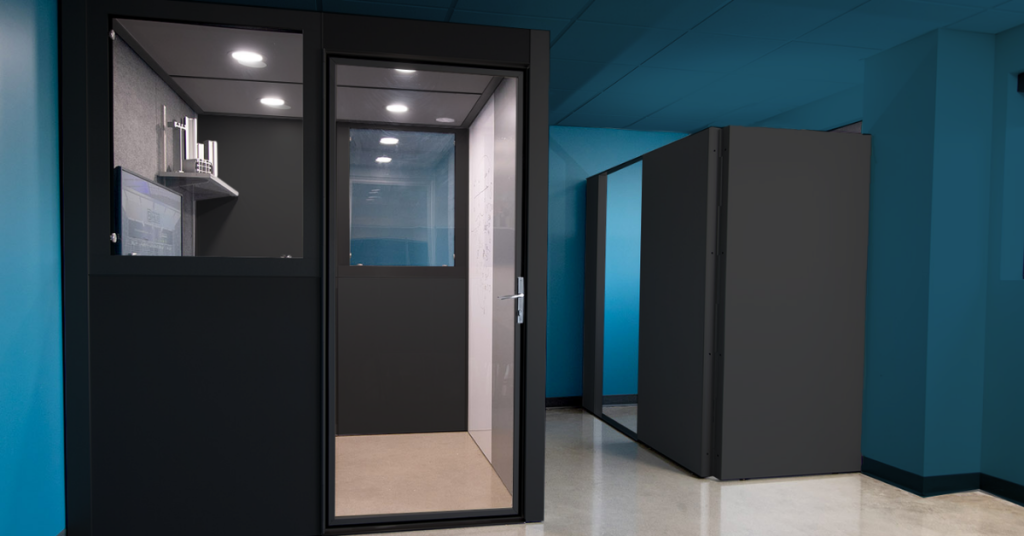
- Unlike standard study lounges or wellness rooms, pods provide sound dampening, privacy, adjustable lighting, and sensory-focused design features that help students better manage overstimulation and distractions.
- Institutions like Indiana Tech and Dublin City University have already introduced sensory pod environments to better support neurodiverse students. Their experiences reflect a growing movement toward more inclusive, accessible campus design.
- YOURspace pods do not require lengthy renovations or large-scale infrastructure changes. Many models support 2-person DIY assembly, install within hours, and ship in under 6 weeks through quick-ship options.
College campuses support more neurodiverse students than ever before, but many campus environments still create daily sensory challenges.
Students move from packed lecture halls to loud dining areas to crowded libraries with very few places to reset. For individuals with autism, ADHD, anxiety, and sensory processing differences, overstimulation can disrupt focus, increase stress, and make campus life harder to navigate.
More and more, institutions are investing in sensory pods for universities. These flexible spaces give students a dedicated environment to decompress, regulate sensory input, and regain focus without leaving campus or requiring major building renovations.
As colleges continue prioritizing accessibility, retention, and student well-being, sensory support spaces have shifted from “nice to have” to essential infrastructure. Here’s how they work.
The Neurodiverse Student Population Is Growing, and Campuses Need to Respond
Today’s students expect campuses to support a wider range of learning, accessibility, and wellness needs than ever before. Disability services offices continue seeing increased accommodation requests related to autism, ADHD, anxiety, and sensory processing differences.
More students also advocate for themselves and actively seek accessible campus environments.
At the same time, many campuses still rely on physical spaces built decades ago. Loud student unions, fluorescent lighting, crowded study floors, and constant background noise can overwhelm students who process sensory input differently.
Even highly productive campus spaces can create barriers for neurodiverse individuals on campus.
Universities cannot solve these challenges with policy alone. Students need physical environments that support regulation and focus throughout the day. That’s where sensory pods make a difference.
Unlike large-scale renovations, pods give universities a practical and scalable way to create low-stimulation environments quickly. Institutions can place them directly where students need support most while avoiding lengthy construction projects or permanent layout changes.
What a Sensory Pod Provides That a Quiet Room Doesn’t
Many campuses already offer quiet rooms or wellness spaces. Those rooms help, but they often lack consistency, privacy, or sensory-focused design.
So, what is a sensory pod, exactly?
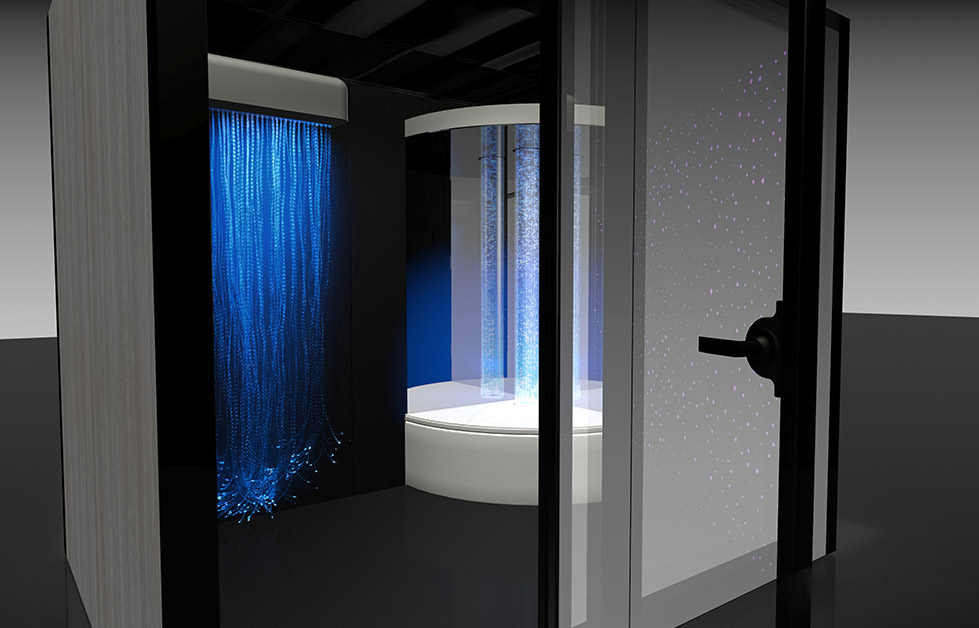
A sensory pod is an enclosed, controlled environment specifically designed to reduce sensory overload and support self-regulation. Instead of simply lowering noise levels, pods help users manage multiple sensory inputs at once.
Features often include:
- Sound dampening
- Adjustable or dimmable lighting
- Ventilation and airflow control
- Visual privacy
- Ergonomic interiors
- ADA-conscious accessibility features
That difference matters.
A student experiencing sensory overload may not need to leave campus for the day or schedule a counseling appointment. They may only need 15 minutes in a calm, predictable environment before returning to class or studying again.
Unlike open, quiet rooms, pods give students more autonomy. They can regulate independently without relying on staff assistance or waiting for a shared room to open.
Institutions searching for sensory pods for autism specifically want environments that help autistic students regulate sensory input without drawing attention to themselves. An autism pod can provide privacy, predictability, and relief within otherwise overstimulating campus environments.
Where Sensory Pods Fit on a College Campus
One of the biggest advantages of sensory pods for schools comes down to flexibility. Campuses can place pods almost anywhere students experience stress, overstimulation, or focus challenges.
Here are some of the most effective campus locations:
Libraries
Libraries remain one of the strongest fits because students already associate them with concentration and quiet work. Pods create an even more controlled environment within busy study spaces.
Student Unions
Student centers bring constant traffic, noise, and activity. Pods provide students with a nearby reset space without forcing them to leave the building entirely.
Counseling and Medical Centers
Waiting rooms can feel stressful or overstimulating for some students. Pods offer a calmer transition space before appointments.
Residence Halls
Shared housing environments rarely provide true quiet or privacy. Pods create dedicated low-stimulation spaces within residential communities.
Accessibility Services Offices
Disability services teams already support students navigating accommodations and campus barriers. Adding a pod creates another visible, practical support tool.
Athletics Facilities
Athletic environments often include bright lighting, crowds, music, and high energy. Pods can help student-athletes regulate before or after practices, workouts, or events.
ADA Compliance, Accessibility, and the Institutional Case
Disability services teams and facilities managers need solutions that support accessibility goals without creating operational headaches.
YOURspace designs pods to help campuses create accessible environments without major construction projects or long renovation timelines.
Teams can place pods inside existing buildings, relocate them later, or reconfigure layouts as student needs evolve. Most pods can also be assembled and installed within just a couple of hours, helping campuses move quickly without disrupting day-to-day operations.
That speed and flexibility matter for institutions balancing:
- Budget limitations
- Space constraints
- Growing accommodation requests
- Changing student populations
- Multi-department accessibility initiatives
Traditional renovations can take months, disrupt campus operations, and cost millions depending on the scope of construction.
Sensory pods give universities a more flexible alternative that can cost thousands instead, allowing institutions to create accessible sensory-friendly environments without overhauling entire buildings.
YOURspace can help your institution navigate purchasing and implementation through campus procurement support.
What Campuses That Have Done This Have Found
Universities already using pod solutions continue to see strong student engagement and demand for flexible focus spaces.
Indiana Tech introduced YOURspace pods through a 90-day pilot program to create quieter spaces for focused study and evaluate how students used the environments.

After gathering student feedback, the university found that the pods provided a quiet, focused, and sensory-friendly environment that students actively valued within the library space. The success of the pilot demonstrated how easily pods could integrate into existing campus infrastructure without major disruption, leading the university to bring additional pods into the facility.
Other institutions worldwide have also embraced sensory-friendly environments as part of broader accessibility initiatives. Dublin City University, for example, introduced sensory pods within libraries across three campuses to support students who struggle with busy or overstimulating study environments.
The university placed the pods discreetly along library walls, creating small, soundproof spaces designed primarily for autistic students while remaining available to any student sensitive to noise or sensory distractions.
How to Add a Sensory Pod to Your Campus
Many universities hesitate to add new campus infrastructure because construction projects consume time, budget, and operational resources. Sensory pods remove many of those barriers.
YOURspace offers flexible installation options that allow campuses to move quickly without major renovation work or lengthy approval processes. Many pod models do not require permits, support simple 2-person DIY assembly, and can be installed within just a couple of hours.
Institutions can fully customize pods based on branding, layout requirements, or specific sensory needs, creating spaces tailored to their campus environment. For universities working on tighter timelines, more standardized models are also available through options that ship in under 6 weeks.
YOURspace can also help guide colleges and universities through planning, procurement, and implementation from start to finish, making it easier to bring sensory-friendly spaces onto campus quickly and efficiently.
Create a More Inclusive Campus
Colleges and universities continue investing in accessibility, student wellness, and retention initiatives. But students also need physical environments that support those goals every day.
A sensory pod for adults gives institutions a practical way to create low-stimulation, student-centered environments without major construction projects.
Whether placed in libraries, residence halls, counseling centers, or student unions, pods help campuses support neurodiverse students with flexible infrastructure that can evolve over time.
Ready to explore what a sensory pod could look like on your campus? Talk to our team.
FAQs
What is a sensory pod?
A sensory pod is an enclosed space designed to reduce sensory stimulation and help users regulate their environment. Pods often include sound dampening, adjustable lighting, ventilation, and privacy features that support focus and decompression.
Why are universities adding sensory pods?
More universities now support growing populations of neurodiverse students, including students with autism, ADHD, anxiety, and sensory processing differences. Sensory pods for universities help campuses create accessible, low-stimulation spaces without major renovations.
Where can colleges place sensory pods?
Campuses commonly place sensory pods in libraries, student unions, counseling centers, residence halls, accessibility services offices, and athletics facilities.
How do sensory pods differ from quiet rooms?
Quiet rooms typically reduce noise but lack sensory-focused design. Sensory pods provide more controlled environments with sound dampening, lighting control, privacy, and features specifically designed to support sensory regulation.
Are sensory pods only for students with autism?
No. While many campuses explore autism sensory pod solutions, pods can also support students with ADHD, anxiety, sensory processing differences, or anyone who benefits from a low-stimulation environment.
How quickly can universities get a sensory pod installed?
YOURspace offers fully customizable pod solutions along with quick ship options that can ship in under six weeks depending on the model and configuration. Installation typically takes under two hours.
Related Links
- Why Higher Ed Institutions Need Quiet Study Spaces
- Sensory Pods
- 2026 Is The Year of Personal Space
- Sensory Pods Offer Comfort To Those With Sensory Processing Disorder
- Sensory Pod for Students with Autism Offers Comfort and Relaxation
- Why More Spaces Need Sensory Pods for Adults
- Transform Educational Spaces with Study Pods
- Custom Pods
- Shop Quick Ship Pods
- FAQs
- Contact Us