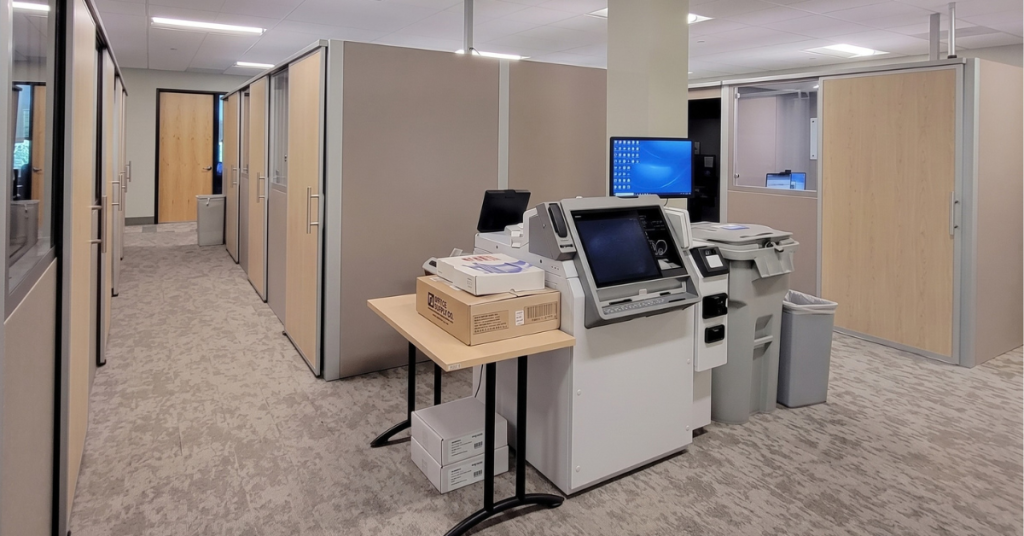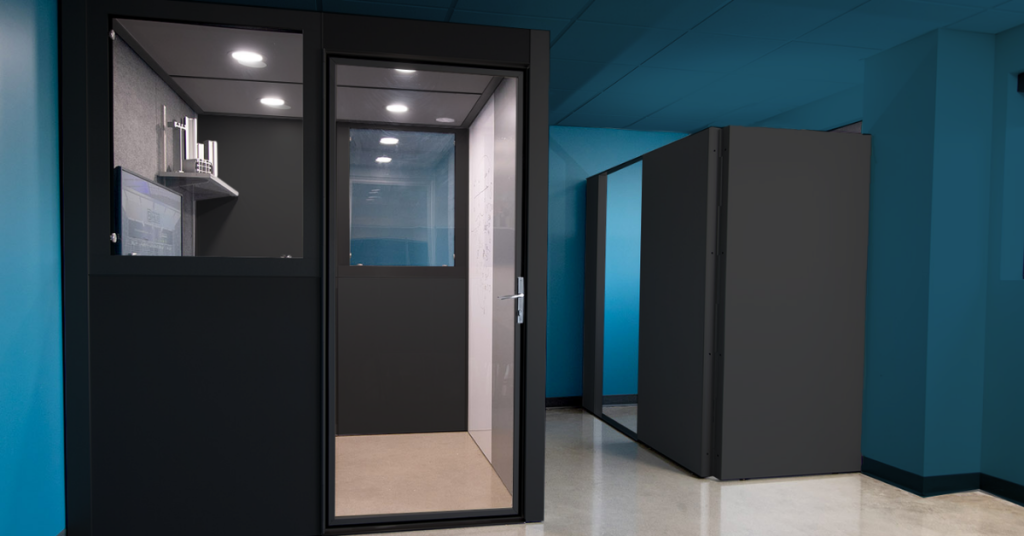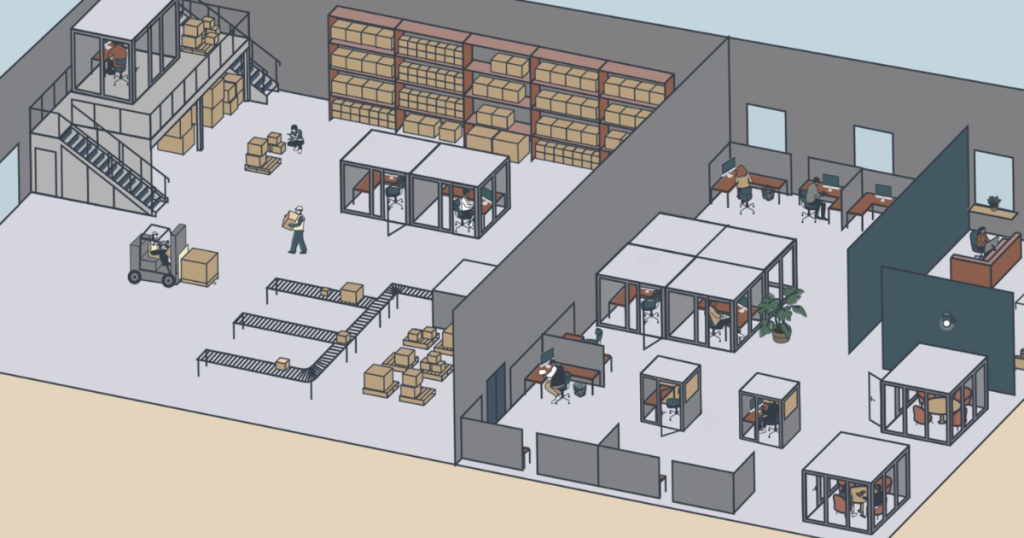
TLDR: Public spaces no longer succeed by serving the crowd alone. People expect moments of privacy, control, and calm built directly into their day. Pods meet these needs without disrupting movement, schedules, or shared environments.
At a Glance:
- Public spaces are no longer measured by efficiency alone. People judge environments by how well they support rest, privacy, focus, and emotional regulation.
- Travelers, students, employees, parents, and athletes increasingly expect access to private, controlled spaces that help them reset, care for themselves or others, and manage sensitive moments throughout the day.
- Fatigue, stress, and sensory overload are design challenges. When environments ignore these realities, people disengage, underperform, or leave.
- Human-first design depends on flexibility. Modular, adaptable spaces allow organizations to meet evolving needs without permanent construction.
Public spaces used to revolve around crowds. Now they revolve around people.
Travelers want a moment to recharge. Students need a quiet place to think. Employees look for a break from noise. Parents need dignity and privacy.
Everyone wants a little more control over their environment and expects convenient, personal micro-environments that help them rest, reset, create, pray, care for family, or handle sensitive conversations without stepping outside the flow of their day.
This shift is reshaping airports, campuses, offices, stadiums, and other community buildings. Here’s what you need to know about the human needs driving this change and how pods can help organizations meet them without building new rooms or rewriting their floor plans.
Rest Needs a Place to Happen
Most public environments weren’t designed for rest. That doesn’t stop people from needing it there.
Travelers nap on gate chairs. Students fold over laptops in hallways. Shift workers sleep in cars between obligations because real rest space doesn’t exist where they are.
According to the CDC, more than one-third of U.S. adults report not getting enough sleep, and fatigue directly affects mood, focus, and decision-making.
Purpose-built environments like sleeping pods and resting pods acknowledge that reality.
In transit environments, airport sleeping pods allow travelers to recover during long layovers instead of pushing through exhaustion. For parents juggling unpredictable schedules, a baby sleep pod offers calm and safety when everything else feels overstimulating.
When organizations allow rest to become possible, people move through space more patiently, safely, and effectively.
Quiet Helps People Cope
Anxiety doesn’t wait for a quiet room. Burnout doesn’t schedule itself after hours. Students, employees, and parents all carry cognitive load into shared environments.
The World Health Organization estimates depression and anxiety cost the global economy over $1 trillion each year in lost productivity. Yet most public spaces still leave people with nowhere to decompress except bathrooms or exits.
Private spaces designed for calm change that equation.
Wellness pods and meditation pods offer ergonomic settings to slow breathing, reset attention, and regain control. In environments that support deeper care, like universities or hospitals, a therapy pod provides private access to virtual counseling or support without removing people from familiar settings.
When support becomes visible and accessible, people use it earlier…before stress turns into crisis.

Parents Deserve Dignity, Not Detours
Parents navigate public space while managing feeding schedules, sensory needs, and exhaustion. Too often, they’re forced into restrooms, cars, or improvised solutions.
That friction matters. Parent-friendly environments directly influence how long families stay, how comfortable they feel, and whether they return. Private spaces like nursing pods and lactation pods meet parents where they are.
A nursing pod or lactation pod allows caregiving to happen calmly and discreetly, even in high-traffic settings like malls, expos, and commercial workplace settings.
When spaces support parents, the entire environment becomes more inviting.
Spiritual Practice Needs Room Too
Travelers, students, employees, and visitors carry spiritual traditions into every environment they enter. Many want a moment to pray, breathe, or reflect, but few public buildings offer a dedicated space.
Prayer pods allow facilities and workplaces to support diverse beliefs without segregating users. A thoughtfully designed prayer pod gives users a quiet, private space for personal rituals in a respectful, inclusive way.
People feel seen when personal values have room to exist.
Immersion Works Best With Boundaries
Immersive experiences—learning, training, entertainment—no longer live behind closed doors. They show up in airports, campuses, offices, and event halls.
Without structure, though, they spill into shared space and create friction for everyone nearby.
People want to go all in when they learn, play, or explore something new. They also want to do it without feeling watched, rushed, or disruptive. Controlled environments like VR pods make that possible.
A VR pod contains sound, movement, and visual stimulation in a way open areas never can.
The same principle applies to entertainment. As more and more pop-up options become available in malls, airports, and hotels, these facilities need to work to accommodate all guests.
An enclosed gaming pod allows full engagement without hijacking the surrounding environment. Players stay focused. Bystanders stay comfortable. The experience feels intentional instead of intrusive.
Sensory Overload Is a Design Problem
Many public spaces overwhelm the nervous system by default. Bright lights, unpredictable noise, constant motion, and crowded layouts leave little room to reset. For neurodiverse individuals and people sensitive to sensory input, that overload can make spaces feel unwelcoming or even unsafe.
When environments fail to account for regulation, people disengage. They leave early. They avoid returning. They miss out entirely.
Spaces like sensory pods offer a simple but powerful alternative. A sensory pod gives people permission to pause, breathe, and recalibrate without explanation or stigma. They support accessibility not through words, but through design.
Recovery Is Personal, Not Communal
Athletes spend hours training together. Recovery is different.
Modern performance science emphasizes individualized recovery: quiet, focus, and controlled conditions that help the body and mind reset. Loud locker rooms and crowded sidelines don’t support that goal.
Private recovery pods give athletes a clear transition point between effort and rest. These spaces support cooldown routines, mental reset, equipment changes, and preparation without outside interference. That separation improves consistency and reduces burnout.
Beyond sports facilities, a portable locker room or modular changing rooms show up wherever performance matters. Event venues use them for competitors, performers, and staff who need a calm place to reset between appearances.
Temporary installations support marathons, tournaments, festivals, and touring productions where permanent facilities don’t exist. Public spaces use them to give people privacy for wardrobe changes, recovery breaks, or focused preparation.
When recovery and personal space become intentional, performance improves.
Important Conversations Shouldn’t Happen in Hallways
Work, communication, and decision-making happen everywhere. Students take interviews between classes. Job seekers attend virtual meetings on the go. Remote workers join calls from hotels, arenas, and stadiums.
Sensitive conversations unfold in semi-public places with no real protection. That lack of privacy affects how people show up. They speak less openly. They rush conversations. They delay important decisions.
Solutions like interview pods, call pods, or a familiar phone booth restore trust by giving people a space where they can focus without being overheard or interrupted. These environments don’t pull people out of circulation. They support productivity without slowing everything else down.
When people trust the space, they communicate better and stay engaged longer.
Healthcare Belongs Where People Are
Preventive care only works when people can access it easily. Time, location, and stigma remain the biggest barriers.
That’s why health services increasingly move closer to daily life. Flexible solutions like a pop up clinic or telehealth pods bring care into workplaces, schools, and community environments where people already are. No long commutes. No full-day disruptions.
When care fits into real schedules and real spaces, people use it earlier and more consistently. Health improves when access feels normal, not exceptional.
Travelers Shouldn’t Be In Survival Mode
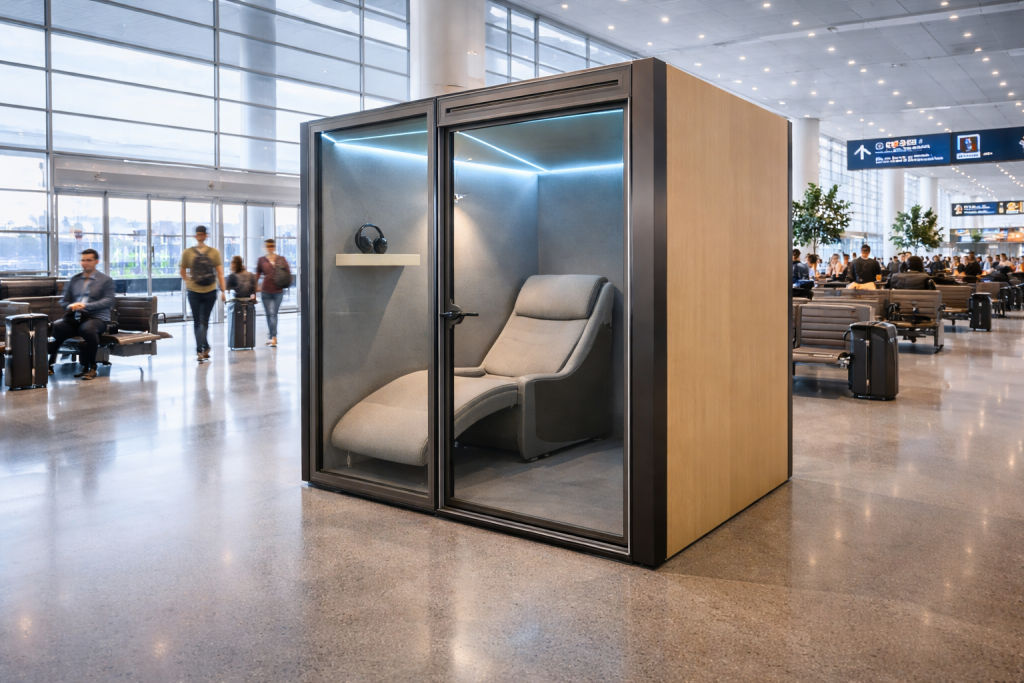
For decades, transit design focused almost exclusively on efficiency. Move people through quickly. Maximize throughput. Minimize dwell time. Comfort came second…if it came at all.
That approach no longer holds up. Travel today involves long layovers, delays, remote work between flights, and emotional fatigue that builds over hours. People live in transit hubs, even if only briefly.
Travel environments now need to support comfort, emotion, and endurance. A portable quiet room gives people a way to reflect, make private calls, or work. Airport pods for sleeping provide rest during long waits instead of pushing through exhaustion on hard chairs and crowded floors.
These micro-environments reduce stress, improve mood, and help travelers arrive more alert and capable.
Design for Real Life
People notice when spaces ignore privacy, force constant exposure, or leave no room to reset. They also notice when a space gets it right.
Pods don’t replace shared environments or remove the energy of public life. They complete it. They give people moments of separation that make participation easier, longer, and more sustainable. When people can step away briefly, they engage more fully when they return.
2026 marks a turning point. Public space finally feels personal, intentional, and humane.
YOURspace helps organizations meet that expectation without rebuilding from the ground up. Talk to us about upgrading your public space with custom or ready-to-ship pods.
FAQs
Why are privacy pods becoming essential in public spaces?
Pods reflect a broader shift toward human-first design. People need more control, comfort, and privacy in overstimulating environments. Pods offer quiet, focused spaces without the costs, time, and logistics of construction.
Where are pods being used the most?
Pods are especially popular in airports, at schools and universities, office spaces, stadiums, medical facilities, retail spaces, and event venues.
What is a wellness pod?
A wellness pod is a private, purpose-built space designed to support rest, stress relief, and mental reset in public or shared environments. A wellness or meditation pod fits directly into existing spaces and gives people a quiet place to pause, regulate, or recharge without leaving their surroundings.
Who benefits from sensory pods in public spaces?
Sensory pods support people who need a break from noise, light, and constant stimulation. Sensory pods for adults or kids are especially valuable in schools, workplaces, airports, and event settings, where sensory overload can lead to fatigue or withdrawal.
What are gaming pods and why are they showing up in public spaces?
Gaming pods are enclosed environments that contain sound, screens, and movement so people can fully engage without disrupting others. As entertainment and immersive experiences move into airports, campuses, events, and retail spaces, a gaming pod allows play to coexist with shared environments.
Are pods secure for private conversations?
Yes. Pods are sound-dampened, designed to offer acoustic privacy for calls, interviews, and sensitive discussions.
Related Links
- 7 Unique Ways to Use Privacy Pods
- 6 Venues Perfect for Pop-Up Gaming Pods
- Enhance the Airport Experience with Privacy Pods
- Public Spaces Pods
- Modular Solutions for Temporary Spaces
- Modular Solutions for Architects and Designers
- Office Pod Features
- YOURspace Installs Work Pods in the Fort Wayne Airport
- Our Pods Are Design Solutions for Every Industry
- Fitout Accessories
- Custom Pods
- Shop Quick Ship Pods
- FAQs
- Contact Us