TLDR: Universities typically fund study pods through grants, capital improvement budgets, student success initiatives, and donor partnerships. Study pods in higher education are often approved because they expand quiet study spaces without requiring renovation or new construction. This allows institutions to increase study capacity quickly while staying within existing facility budgets.
At a Glance:
Common ways universities fund study pods:
- Federal, state, or local education grants that support learning environments
- Capital improvement budgets for facility upgrades or library modernization funds
- Student success initiatives
- Alumni funding or donor contributions for student spaces
- GSA Contract Purchasing
Why study pods are often approved:
- Increase quiet study spaces
- Add usable study seats without renovation
- Deploy faster than construction projects
- Provide flexible and reconfigurable study environments
Universities across the country face a common challenge: students need more quiet places to study, but campuses rarely have funding for new buildings.
Construction projects take years to be approved and completed. They also require large capital investments.
Because of this, many institutions look for ways to increase study capacity without major renovations. Study pods in higher education are increasingly used to expand quiet study spaces without new construction. They provide enclosed study spaces that can be deployed quickly and adapted as campus needs change.
Before pods can be installed, however, administrators must determine how study pods will be funded. Understanding the most common funding sources helps institutions move projects forward faster.
Why Funding Study Spaces Is Challenging
Quiet study space is one of the most requested campus resources. Libraries and academic buildings often experience high demand during peak times such as midterms and finals.
At the same time, universities must manage tight budgets. Facilities teams must prioritize projects that support student success, improve campus infrastructure, and make efficient use of existing buildings.
This is why many institutions look for solutions that increase usable study seats without requiring construction. Unlike permanent construction projects, study pods can be deployed quickly and moved as campus needs change.
Flexible spaces like study pods can sometimes qualify for funding because they improve learning environments while avoiding major facility upgrades.
To see how study pods are used in campus environments, explore YOURspace study pods.
The Most Common Funding Sources for Study Pods
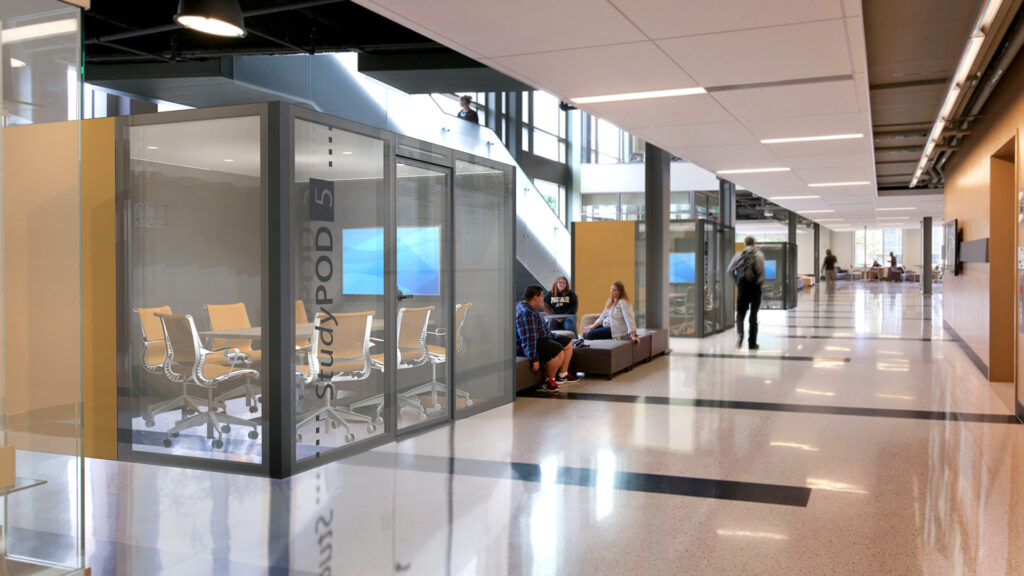
Universities typically use several funding strategies when adding new study spaces. Study pods may qualify under different budget categories depending on how the project is framed.
Grants
Federal, state, and local grants often support improvements to educational environments. Many of these grants focus on student success, accessibility, or modern learning spaces.
Because study pods function as flexible learning infrastructure, or educational furniture, they may qualify under programs that support classroom upgrades or student services.
Examples can include:
- federal education grants
- state facility improvement grants
- grants that support student learning environments
When applying for grants for study pods, institutions often highlight how study pods improve focus, increase access to quiet study, and support student outcomes.
Specific Grants for Infrastructure & Technology
- Title I Grants: Schools with a high percentage of low-income students can use these funds for educational improvements.
- School Facility Improvement Grants: Available at the state and local levels, these grants focus on infrastructure upgrades that align with modern learning needs.
- U.S. Department of Education Grants: These federal grants provide funding to enhance educational programs, improve learning environments, and support innovative teaching methods.
Tips for Applying for Grants
- Align your application with grant objectives, such as improving student outcomes and learning environments.
- Emphasize the innovative, adaptable nature of YOURspace pods to showcase how they meet evolving educational needs.
- Support your case with relevant statistics that showcase the need for study spaces.
- Seek local support through fundraising or community partnerships to boost your budget.
Many facilities teams monitor grant databases such as Grants.gov and state education funding programs when planning learning space improvements.
Capital Improvement Budgets
Most universities maintain capital budgets for facility upgrades and infrastructure improvements.
These budgets are commonly used for projects such as:
- library modernization
- learning space upgrades
- improvements to academic buildings
Study pods sometimes fit within these budgets because they improve campus infrastructure without requiring construction.
Compared with building renovations, pods can increase study capacity while allowing campuses to maintain flexibility.
Student Success Initiatives
Many universities allocate funding toward programs that improve student retention and academic performance.
Quiet study environments are often linked to student success initiatives. When study pods are framed as tools that support focus and academic outcomes, they may qualify for these funding programs.
Institutions often deploy pods in locations such as:
- libraries
- student centers
- tutoring areas
- academic resource centers
- athletic academic support centers
These locations allow universities to support students who need quiet spaces for focused work.
Alumni Donations and Partnerships
Some campuses fund study space improvements through partnerships with alumni groups, donors, local businesses, nonprofits, or community organizations.
Donor funding often supports projects that enhance the student experience. Quiet study spaces and modern learning environments can align well with these initiatives.
Community partnerships may also help institutions pilot new study environments before expanding them across campus.
GSA Contract Purchasing
For institutions ready to move past the funding-source question and into procurement, YOURspace is a GSA-approved contractor. Many public colleges and universities can purchase study pods through cooperative purchasing agreements at pre-negotiated GSA pricing, which removes the need for a separate competitive bid process on each order.
For facilities and procurement teams juggling limited staff time, that can mean a much shorter path between securing funding and getting pods installed. Contact our team to confirm GSA eligibility for your institution.
Why Study Pods Often Qualify for Funding

Study pods can be easier to fund than construction projects because they meet several institutional priorities.
1. They improve learning environments
Pods create enclosed spaces that help students focus. This can improve the usability of existing study areas.
2. They increase study capacity
Adding desks does not always increase usable seats. Noise and distractions can limit the number of students who can study in a space. Pods help address these issues.
3. They avoid construction costs
Building new study spaces requires planning, approvals, and long timelines. Pods can often be installed much faster.
4. They provide flexibility
Campuses can move or reconfigure pods as study patterns change. This flexibility can make them attractive to administrators who need adaptable solutions.
Institutions that want to understand the financial impact can review the YOURspace ROI guide for study pods.
How Universities Build the Case for Funding
When universities seek funding for study pods, the proposal usually focuses on solving a clear campus problem.
Administrators often present evidence such as:
- demand for quiet study spaces
- overcrowded library study areas
- student feedback about study environments
- limitations of existing study seating
Facilities teams may also demonstrate how pods increase usable study capacity without requiring major construction projects.
When these factors align with institutional priorities, funding approval becomes more likely.
A Practical Approach to Expanding Study Space
Many universities need to increase study capacity while working within limited budgets. Study pods offer one approach that allows campuses to improve learning environments without waiting for new buildings.
By exploring funding sources such as grants, capital budgets, and student success initiatives, institutions can move forward with projects that improve access to quiet study across campus.
To learn more about how study pods support modern learning environments, contact us or explore our Educational Procurement and Facilities guide.
Frequently Asked Questions About Funding Study Pods
How do universities fund study pods?
Universities often fund study pods through several sources. Common options include federal or state grants, capital improvement budgets, student success initiatives, and partnerships with donors or alumni groups. Because study pods improve learning environments without requiring new construction, they can qualify for multiple funding programs.
Are study pods eligible for education grants?
Study pods may qualify for grants that support learning environment improvements, accessibility initiatives, or student success programs. Institutions often frame study pods as infrastructure that supports focus, quiet study spaces, and academic outcomes.
Why do universities invest in study pods?
Universities invest in study pods to increase usable study seats and improve quiet study environments. Pods allow campuses to add enclosed study spaces without building new facilities. This helps institutions respond to student demand while managing limited space and budgets.
Where are study pods typically installed on campus?
Study pods are most commonly installed in libraries, student success centers, academic buildings, and student unions. These locations often experience the highest demand for quiet study spaces.
Are study pods cheaper than building new study spaces?
Study pods are often more cost-effective than constructing new study areas. Renovations and new buildings require long timelines and significant capital investment. Pods provide a faster way to increase study capacity while maintaining flexibility.
Related Links
- Boost Enrollment and Retention with Study Pods
- Study Carrels Don’t Have To Be Old School
- Why Higher Ed is Investing in Student Athlete Study Pods
- Interior Swing Spaces: Renovate Without Relocating
- How Study Pods Fit Into Next Year’s Higher Ed Budget
- Transform Educational Spaces with Study Pods
- Education Pods
- Buying Pods in Bulk? Here’s Why It’s a Better Investment
- Add Study Spaces In A Matter of Hours
- Top Procurement Choice for Schools is Study Pods
- Why Higher Ed Institutions Need Quiet Study Spaces
- New Study Pods Enrich Indiana Tech
- Uses & Applications
- Fitout Accessories
- Office Pod Features
- FAQs
- Gallery
- Get Yours