TLDR: Most organizations default to moving teams outside during renovations, but that approach creates unnecessary disruption. Interior swing space keeps operations inside the building, maintaining workflows, communication, and productivity. By using modular systems to create temporary in-building environments, companies can renovate in phases without sacrificing efficiency or team cohesion.
At a Glance:
- Renovations don’t have to disrupt your operations as much as most teams expect, especially when you avoid relocating people outside the building.
- External swing space introduces small inefficiencies that add up quickly, including delays in communication, reduced collaboration, and workflow interruptions.
- Interior swing space keeps teams connected, maintains momentum, and supports a smoother, more controlled phased renovation process.
- Solutions like YOURspace make it possible to create flexible, fully functional environments inside your building, so you can renovate without sacrificing productivity or team cohesion.
Renovations don’t just change your space. They disrupt your people, your workflows, and your momentum.
Most organizations accept that disruption is part of the process. They move teams outside, set up trailers, and deal with the inefficiencies that follow.
That approach feels normal, but it isn’t necessary. There’s a smarter way to handle renovations, expansions, and transitions.
It starts with keeping your operations exactly where they belong: inside your building.
What Is Swing Space?
Swing space refers to temporary, flexible environments that support your team while a permanent space is under construction, renovation, or repair.
Swing space solutions keep business moving. They give employees, students, or staff a place to work, collaborate, or operate without shutting everything down.
Most swing space rooms include the essentials you’d expect in a permanent setup. Think desks, technology, meeting areas, and functional layouts designed to maintain productivity during a transition.
Swing spaces are used in offices, schools, healthcare settings, and anywhere operations can’t afford to stop.
But how that space gets delivered makes a big difference.
The Assumption That Slows Everything Down
When people hear “swing space,” they picture something outside.
A trailer in the parking lot. A mobile office or portable office. Or even an office container set up temporarily during construction.
That assumption drives most renovation planning. It also creates a chain reaction of problems that teams don’t always anticipate until it’s too late.
External solutions introduce friction into everyday operations. Teams get separated from their core environment, communication slows down, and simple tasks take longer.
Even basic logistics become more complicated: weather, accessibility, and compliance all start to play a bigger role than they should.
The result? A project meant to improve your space ends up hurting your efficiency in the short term (and the short term still matters, too).
The Two Paths: External vs. Interior Swing Space
There are really only two ways to approach swing space.
The first is the traditional route: external modular construction placed outside your building. This includes trailers, mobile office rental setups, and standalone structures.
The second is less talked about but far more effective.
Interior swing space.
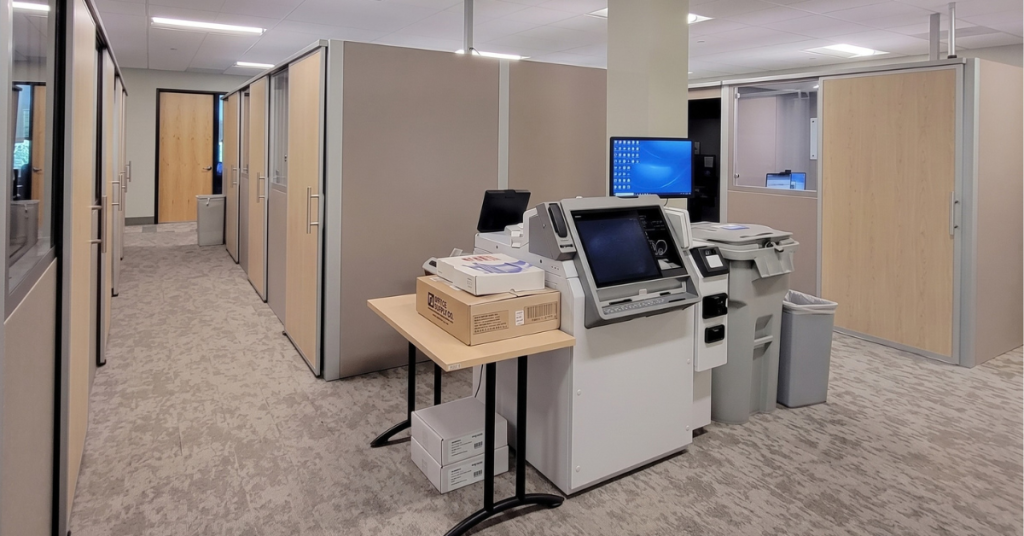
Instead of moving people out, you create temporary rooms inside existing buildings using interior modular room systems.
These completely shift how renovations feel for your team.
Why Interior Swing Space Works Better
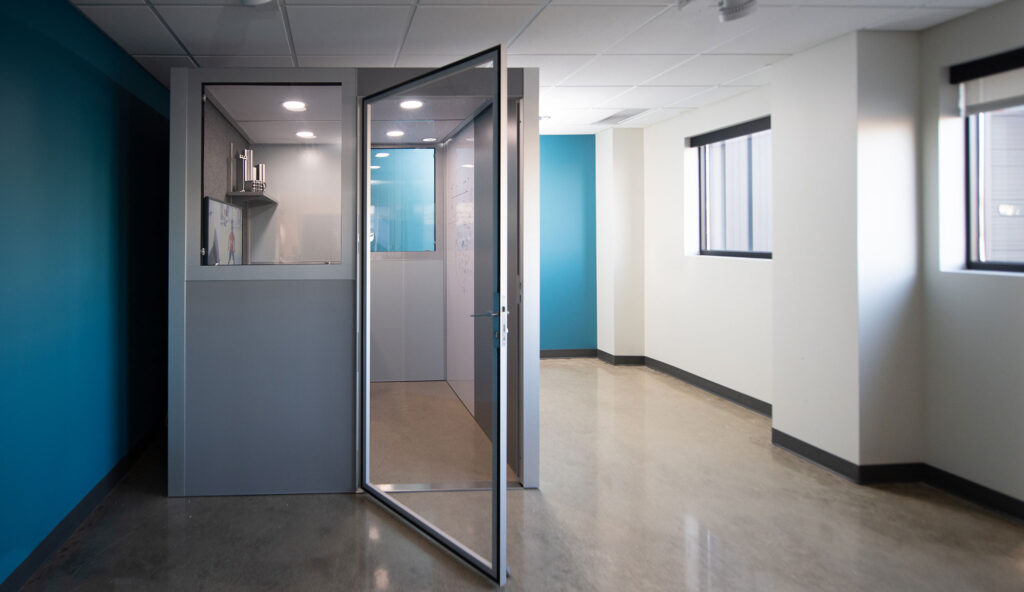
Interior swing space removes the friction that external setups create.
You keep your team close. You maintain your workflows. You protect productivity during a time when it’s most at risk.
With in-building swing space for renovations, your operations stay connected. Leadership stays accessible, and teams collaborate without barriers. That alone solves a lot of the breakdowns that happen during renovations.
External setups introduce small disruptions that stack up fast. Not just distance, but flow.
- Quick questions turn into scheduled conversations
- Spontaneous collaboration disappears
- Meetings start late because people are in transit
- Shared tools and resources become harder to access
- IT issues take longer to resolve
- Teams feel disconnected from the rest of the organization
Even communication shifts. Instead of walking over to clarify something, people rely on emails or messages. That slows decisions down and creates more room for misalignment.
Interior swing spaces eliminate the daily inconveniences that come with outdoor setups. No weather concerns. No wasted time walking between buildings. No breaks in focus just to move between spaces.
There’s a mental side to this too. When teams feel removed, even temporarily, engagement drops. It feels less like a cohesive, professional environment and more like a workaround.
Interior temporary rooms inside existing buildings keep everything grounded. Your team stays in the same rhythm, using the same systems, with the same level of access.
That consistency keeps work moving the way it should.
It also gives you more control over how space evolves during the project. Instead of forcing a full relocation, you can create transitional spaces that shift with your needs and support a smoother, more strategic renovation process.
Built for Phased Renovation and Real-World Use
Most projects don’t happen all at once; they move in phases.
Interior swing space supports that reality.
With a phased renovation office strategy, you can shift teams as needed while work progresses in sections. You create transition spaces that evolve with your timeline instead of forcing a full relocation upfront.
This approach keeps departments operational while construction happens around them.
It also reduces the need for large-scale temporary moves. Instead of relocating everyone at once, a modular swing space helps you adapt as each phase begins and ends.
The result feels more controlled, more efficient, and far less disruptive.
How Interior Modular Systems Make It Possible
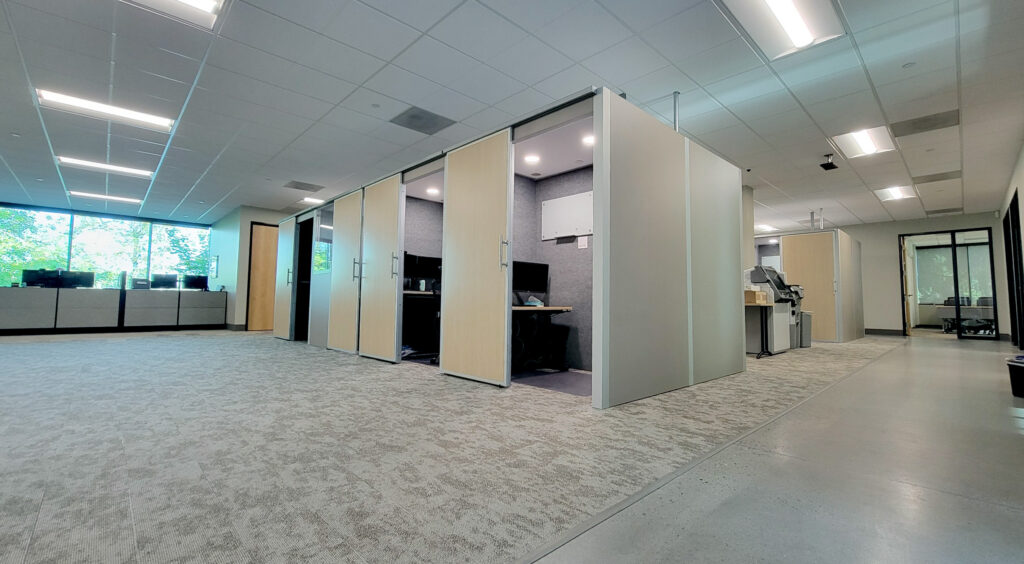
The success of modular temporary spaces for renovations depends on smart design and flexible infrastructure.
You’re not just moving desks around; you’re building fully functional environments inside your existing footprint.
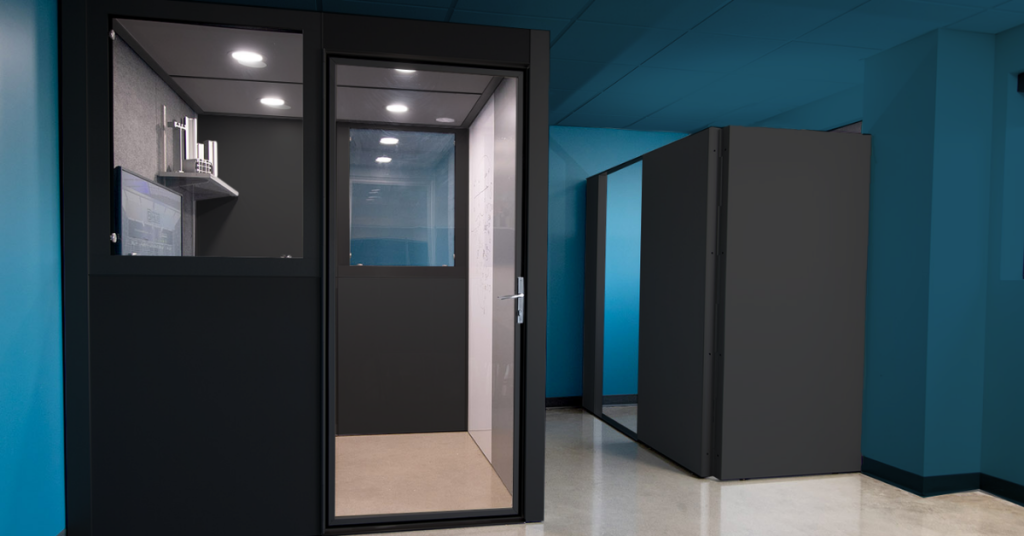
Interior modular room systems by YOURspace use prefabricated components to create enclosed, purpose-built areas that feel like permanent space.
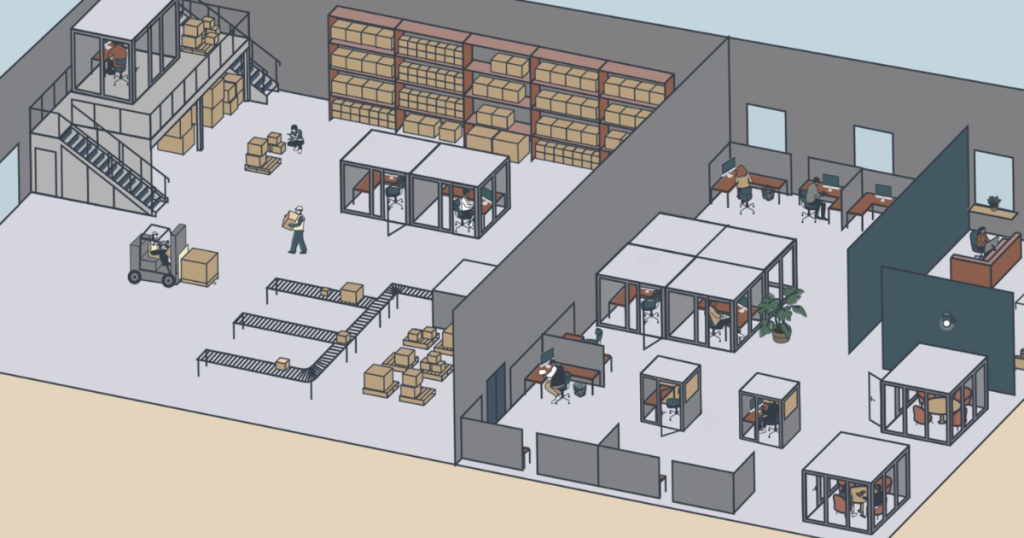
These systems can support a wide range of needs, including:
- Private offices
- Conference rooms and meeting spaces
- Breakout areas for collaboration
- Focus rooms for quiet work
- Temporary classrooms for schools and training environments
At the core of these setups are modular walls, which allow you to divide and reconfigure space without permanent construction.
You can install them quickly, adjust layouts as needed, and remove them once your renovation wraps.
Where Interior Swing Space Makes the Biggest Impact
This approach works across countless industries, especially where downtime isn’t an option.
Office environments benefit from keeping teams in close proximity. Instead of sending employees to an off-site location, companies maintain collaboration and culture within the building.
Schools can avoid the common reliance on outdoor trailers. Students and teachers stay focused inside, connected to shared resources and facilities.
Healthcare organizations gain a controlled way to manage upgrades without interrupting critical services. Interior swing space construction allows departments to shift internally while maintaining compliance and continuity of care.
In every case, the goal stays the same: maintain operations while improving your space.
Interior swing space simply does it better.
The Gap in the Market and a Smarter Way Forward
Most providers still focus on external solutions.
Trailers, containers, and standalone structures continue to dominate the conversation around temporary work space. They’ve been the default for years, so they shape how organizations think about swing space in the first place.
But they don’t always solve the real problem.
Organizations need space and continuity. That’s where interior modular construction stands apart.
Interior swing space solutions align with how people actually work during a renovation. They support real workflows instead of forcing teams to adapt to a disconnected, temporary setup outside the building.
This is the gap in the market. And it’s one more organizations are starting to recognize.
YOURspace is built around that shift.
Instead of pushing operations (and people) outside, YOURspace creates fully functional environments inside your building using adaptable, high-quality systems. You get spaces that feel intentional, not like a workaround.
YOURspace pods add another layer of flexibility and functionality to modular swing space:
- Quick-ship options that are delivered in less than 6 weeks for tight timelines or fully custom configurations
- Durable, high-quality, and easy-to-clean materials built for daily, real-world use
- Clean, modern finishes that blend into your environment
- Easy, DIY setup (modular pods can be installed in just 2 hours)
- Configurations for offices, meeting rooms, classrooms, focused work areas, and more
- ADA-compliant options to support accessibility needs
- Integrated power, lighting, ventilation, and connectivity
- Add-ons like whiteboards, monitor mounts, shelving, desks, and more
That furniture classification can also work in your favor at tax time. Because YOURspace pods are freestanding and require no permits, they’re treated as furniture rather than a leasehold improvement, and eligible businesses may be able to expense the full purchase price under Section 179 in the year the pod is placed in service, rather than depreciating it the way a construction project would be. Confirm the specifics with your tax advisor.
Whether you need a short-term prefab office or a long term modular office setup, the goal stays the same. Keep your workflows intact. Keep your team connected. Keep your business moving without unnecessary disruption.
Keep Your Renovation Moving Without Moving Your Team
Renovations don’t have to slow you down.
Interior swing space solutions give you control over how your team experiences change. They reduce disruption, improve efficiency, and keep your operations grounded in the environment your people rely on every day.
If you’re planning a renovation, expansion, or reconfiguration, it’s worth asking a simple question: Do you really need to move your team out? Or can you build the space you need right where you are?
YOURspace helps you do exactly that. Let’s build your swing space.
FAQs
What are interior swing space solutions?
Interior swing spaces are flexible environments built within your existing building to support operations during renovations. These spaces use modular systems to create functional, temporary setups without relocating teams outside.
How do interior modular room systems work?
They use prefabricated components and modular walls to create enclosed spaces like offices, meeting rooms, or classrooms. These systems install quickly and adapt as your needs change.
Is interior swing space suitable for phased renovations?
Yes. Interior setups are ideal for a phased renovation approach, allowing you to move teams in stages while keeping the rest of your operation running.
Can YOURspace pods be used for temporary classrooms?
Absolutely. Schools can use these modular setups as temporary classrooms, keeping students and staff inside the building during construction or expansion projects.
What happens after the renovation is complete?
YOURspace systems disassemble easily and can be reused, reconfigured, or removed, making them a flexible long-term solution.
Is interior swing space more efficient than external options?
In most cases, yes. By eliminating travel time, weather exposure, and operational disconnect, interior solutions create a more productive and consistent work environment.
Do YOURspace pods used for swing space qualify for a tax deduction?
Often, yes. Because YOURspace pods are classified as furniture rather than a permanent leasehold improvement, eligible businesses may be able to deduct the full purchase price in the year of purchase under Section 179, instead of depreciating it over years like construction. Eligibility depends on your business’s taxable income and how the pod is used, so confirm the details with your tax advisor.
Related Links
- The Complete Guide to Temporary Modular Transition Spaces
- Affordable, Ready-Now Fitouts For Office Space Renovations
- Scale Your Factory Office Space Without Construction
- Cost-Effective Alternatives to Construction with YOURspace
- How Modular Office Pods Enhance Workplace Sustainability
- Boost Enrollment and Retention with Study Pods
- How Study Pods Fit Into Next Year’s Higher Ed Budget
- Top Office Pod Brands Compared: YOURspace vs. Framery vs. ROOM
- Buying Pods in Bulk? Here’s Why It’s a Better Investment
- Office Fitout
- Education Pods
- Office Pods
- Public Spaces Pods
- Custom Pods
- Shop Quick Ship Pods
- FAQs
- Contact Us